
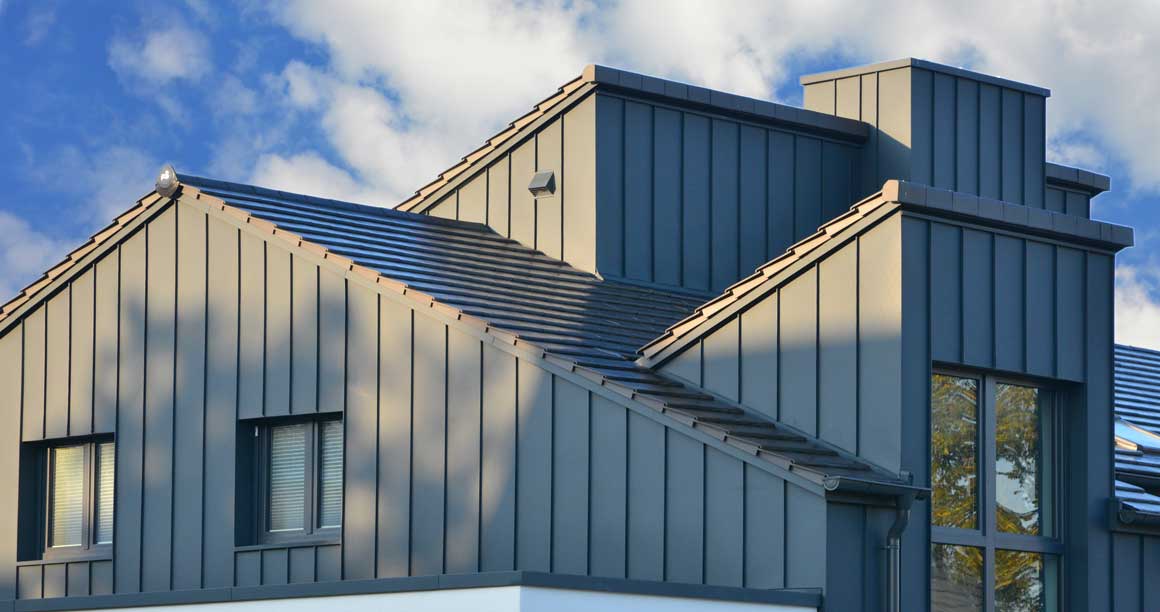
What does it cost to replace cladding?
The price of replacing cladding in 2026 varies depending on the choice of material, labor and the scope of the project. In general, prices are somewhere between NOK 1.500 and 3.500 per square meter of wall surface, with an average price of approximately NOK 2.000 per square meter. For example, a project of 120 square meters with exterior cladding can cost approximately NOK 270.000. This is with a price per square meter of NOK 2.250.
Choosing more exclusive materials such as maintenance-free cladding or specially treated wood can increase the price further. It’s also important to investigate the need for additional work that may affect the total price. This could be insulation, for example. It is advisable to obtain quotes from several contractors to compare prices and services. Also remember that the investment can contribute to increased property value and better energy efficiency, which can be cost saving over time.
What affects the price of cladding replacement?
The price of cladding a house is affected by a number of factors. Therefore, costs can vary from project to project. These are the main factors that affect the price:
Type of panel: Traditional wood paneling is generally less expensive than more specialized and maintenance-free alternatives. Patterns, thickness and quality of the wood also affect the price.
Facade panels/maintenance-free cladding: Maintenance-free cladding panels often cost more. Typical alternatives are composite materials, metal or other durable materials. The advantage is lower maintenance costs over time.
Møre Royal and other treated wood types: Møre Royal and similar pre-treated wood types are impregnated and primed for increased durability and less maintenance These are therefore more expensive than standard cladding. This is a middle ground between maintenance-free and traditional wood cladding, in terms of both price and maintenance needs.
Size and accessibility: The size of the facade to be clad and its accessibility (such as height or difficult location) can affect labor costs.
Additional work: The need for additional work such as replacing rotten cladding, improving insulation, or installing a windproof membrane can increase the total price.
Geographical location: Prices can vary depending on where in the country the work is carried out. This may be due to differences in transportation costs or labor availability.
Choice of contractor: The offer from different contractors can vary based on their experience, specialty and current workload. .
To get the most cost-effective solution for your project, it’s smart to balance the initial investment costs and long-term maintenance costs. Obtaining multiple quotes can also provide a better picture of the expected total costs.
Get a quote from [konsept_ubestemt_artikkel_entall] builder
Get a quick response from [konsept_ubestemt_artikkel_entall] quality-assured builder suitable for your needs.
What does re-insulation cost?
The price of retrofitting a house varies depending on the scope of the project and the choice of insulation materials. In general, the price of retrofitting insulation can be between NOK 1.000, – and NOK 2.500,- per square meter. For an average project, the total price can be anywhere from NOK 100.000, – to NOK 250.000, – for a typical detached house. Choosing high-quality materials, such as rock wool or specialized insulation boards, can increase the price. Additional work such as the removal and replacement of existing cladding or internal finishes can also increase prices. It’s important to consider the potential cost savings on heating over time, as good insulation significantly reduces energy needs.
What type of cladding is best?
When choosing cladding, there are several things to consider, including aesthetics, maintenance needs, climate impact and budget. Wood has natural beauty and can be painted or stained to suit different styles but requires more maintenance. Maintenance-free alternatives such as fiber cement, vinyl, and composite materials are long-lasting and low maintenance, but with less aesthetic appeal. Møre Royal, a treated wood, combines the aesthetics of natural wood with improved durability and less maintenance. In harsh climates, materials that are more resistant to moisture and temperature fluctuations may be preferable. The best choice balances personal preferences with practical considerations.
Does changing the cladding require an official application?
Changing the cladding on a building does not generally require an official application unless the work changes the appearance or character of the building. Ordinary maintenance and cosmetic refurbishment do not need to be applied for. However, if the building is listed or located in a regulated area, an official application is likely to be required. It is always recommended to check with the municipality to be sure. The regulations ensure that changes are in line with current building standards and local aesthetics.
When should you change the cladding?
You should consider replacing the cladding when you see clear signs of wear and tear such as rot, cracks or peeling paint. These are signs that the cladding is no longer effectively protecting the building from the elements. Areas of pest infestation, such as termites or boring beetles, also require immediate action. In addition, the desire to improve a building’s energy efficiency or update its aesthetics can be good reasons to replace the cladding. Timing the change correctly will ensure the integrity and value of the building over time.
Get a quote from [konsept_ubestemt_artikkel_entall] builder
Get a quick response from [konsept_ubestemt_artikkel_entall] quality-assured builder suitable for your needs.
How long does it take to replace cladding?
The time it takes to re-clad a house varies depending on the size of the house, the type of cladding and whether additional work such as insulation is needed. For an average detached house, the process can take from 1 to 3 weeks. Complicated projects with additional work can take longer than this. Experienced professionals can carry out the work more quickly, but bad weather and unforeseen issues can cause delays. It’s important to plan for some flexibility in your schedule.
Can you replace the cladding yourself?
It is entirely possible to replace cladding yourself if you have the necessary craftsmanship and tools and understand the building regulations and techniques required for the job. This can be a cost-effective solution but requires careful planning. You should also have knowledge of insulation and damp proofing. Safety measures cannot be overlooked, especially when working at height. For those without experience or the necessary equipment, you may want to hire professionals to ensure the quality and durability of the work, as well as compliance with applicable building regulations.
How to replace the cladding on a house?
When replacing the cladding on a house, you should start by planning the work and choosing the desired cladding material. Then carefully remove the old cladding to avoid damaging the building’s structure. Check the exterior walls for any damage or need for repair/post-insulation before installing new cladding. Install a wind barrier to improve insulation and protect against moisture. Install new cladding systematically from the bottom up, with correct overlap to ensure watertightness. Use the correct fixing materials and techniques specific to the type of cladding you have chosen. Finish with the necessary treatment of the cladding for weather protection. Remember to follow local building regulations.
Frequently asked questions about cladding replacement:
Get a quote from [konsept_ubestemt_artikkel_entall] builder
Get a quick response from [konsept_ubestemt_artikkel_entall] quality-assured builder suitable for your needs.